Cupping vs Gua Sha: Which Targets Pain Better?
$70 to $160 buys 30 to 60 minutes of cupping or gua sha bodywork. Compare suction vs scraping for pain, recovery, and bruising. See the side-by-side.
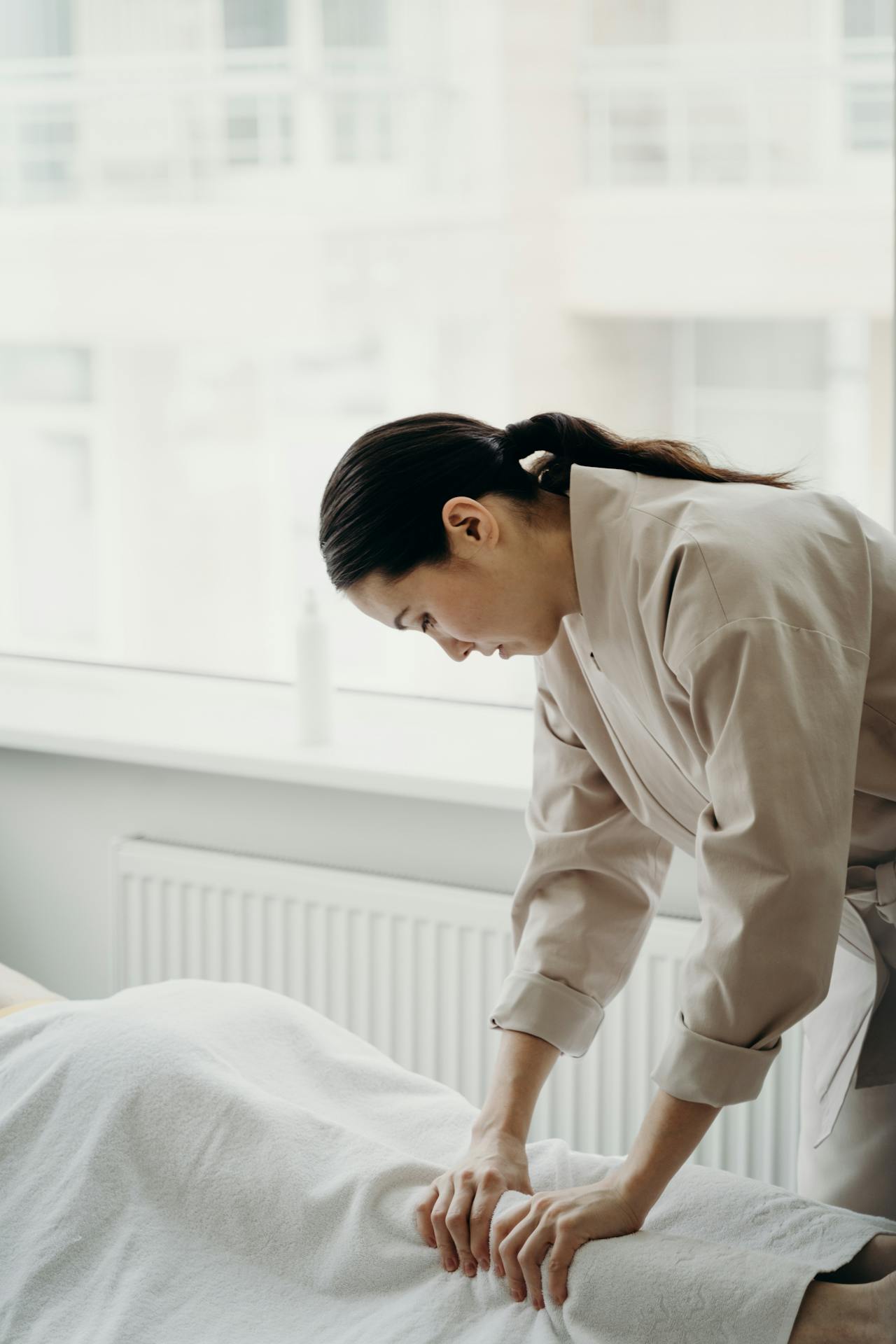
Cupping vs gua sha — which one actually relieves pain?
Cupping uses suction to lift fascia and pool blood under decompression bells, while gua sha uses controlled friction with a smooth tool to mobilize tissue along the surface. Both treat muscle tension and fascia restriction, but cupping reaches deeper layers and gua sha targets surface-level adhesions and lymphatic flow. Sessions in the US in 2026 run $70 to $160 for 30 to 60 minutes.
What each technique actually is
Cupping therapy applies glass, silicone, or plastic cups to skin under negative pressure, lifting tissue and creating short-term local inflammation that recruits blood flow. The two main forms are dry (static) cupping and wet (bleeding) cupping; nearly all US licensed massage therapists practice dry cupping under NCBTMB-recognized continuing education frameworks.
Gua sha (literally "scraping sha") uses a smooth tool — typically jade, buffalo horn, or stainless steel — to apply press-and-stroke pressure along muscle fibers. The technique pre-dates cupping in Traditional Chinese Medicine and is now widely used in clinical sports rehabilitation under the name Instrument-Assisted Soft Tissue Mobilization (IASTM).
The Zoca Massage Near Me network of 4,800+ therapists across 90 US cities reports 31% of clinical bodywork practitioners now offer cupping, gua sha, or both as add-ons to standard 60-minute sessions.
| Factor | Cupping | Gua Sha (IASTM) |
|---|---|---|
| Mechanism | Negative pressure / suction | Press-and-stroke friction |
| Tissue depth | Fascia, deep muscle | Surface fascia, dermis |
| Visible mark | Round purple-red circles | Petechial pink-red streaks |
| Mark duration | 3 to 14 days | 2 to 5 days |
| Best pain target | Deep muscle, chronic tension | Tendinopathy, scar adhesion |
| Session length | 15 to 30 min add-on | 10 to 20 min add-on |
| Add-on price | $25 – $75 | $20 – $60 |
What the research shows on each modality
Research on both modalities is dominated by small randomized trials. Effect sizes are moderate but consistent across pain and range-of-motion endpoints.
Cupping evidence
A 2018 systematic review aggregating dry cupping trials, indexed in PubMed's cupping therapy literature, found short-term reductions in low-back pain VAS scores of 1.5 to 2.5 points compared to sham, with effects holding 1 to 4 weeks. The American Massage Therapy Association classifies cupping as a complementary modality with moderate clinical evidence for chronic musculoskeletal pain.
Gua sha and IASTM evidence
Gua sha and IASTM trials in athletic populations show measurable improvements in range of motion, reduced perceived stiffness, and improved tendon glide in plantar fasciitis and Achilles tendinopathy. The mechanism appears to be controlled inflammatory response and improved fibroblast activity in scar and adhesion tissue.
Cost comparison in 2026
Neither technique is typically a standalone session; both run as 15- to 30-minute add-ons to a base massage. A handful of US clinics now offer dedicated 45-minute cupping or gua sha protocols.
| Service | Price range | Duration | Best for |
|---|---|---|---|
| Cupping add-on (to massage) | $25 – $75 | 15 – 30 min | Add to deep tissue or sports |
| Standalone cupping session | $60 – $140 | 30 – 45 min | Targeted chronic-pain sessions |
| Gua sha add-on (to massage) | $20 – $60 | 10 – 20 min | Tendinopathy, scar mobilization |
| Standalone gua sha (IASTM) | $70 – $160 | 30 – 60 min | Sports rehab, post-injury |
| Combined cupping + gua sha session | $110 – $200 | 60 – 75 min | Comprehensive bodywork |
NYC, LA, and Boston pricing tends to sit 25 to 40% above the national midpoint. Independent sports-massage clinics in suburban metros price at the median or slightly below.
Cupping is better when…
Cupping wins for deeper, broader chronic muscle tension. Pick cupping if your primary complaint matches one of these patterns:
Gua sha is better when…
Gua sha wins for surface-level adhesion, tendon work, and post-injury rehab.
Marks, bruising, and what's normal
The round purple-red circles after cupping and the streaky petechial marks after gua sha are not bruises in the traditional sense. They are pooled blood from broken capillaries near the surface, recruited by the negative pressure or friction. Per PubMed-indexed research on post-cupping marking, the marks are not associated with deeper tissue damage when the session is performed by a licensed practitioner.
Cupping marks last 3 to 14 days depending on intensity and individual circulation. Gua sha streaks fade in 2 to 5 days. Marks that appear unusually dark, painful to touch, or that persist beyond 14 days warrant a check-in with the practitioner.
Safety, contraindications, and who should skip both
Both modalities are broadly safe under licensed practitioner care, but a few absolute contraindications apply. Per American Massage Therapy Association practice guidelines, avoid cupping and gua sha over:
The BLS-tracked massage therapy profession is regulated state by state — verify your provider holds an active LMT license and any cupping or IASTM continuing-education certification before booking.
How to prep for your first session
How often should you book each?
For active chronic pain, weekly cupping or gua sha sessions for 4 to 6 weeks usually deliver the steepest improvement curve, then taper to every 2 to 4 weeks for maintenance. Athletes in heavy training cycles often book a 20-minute cupping or gua sha add-on every other deep tissue massage. Stress-pattern bodywork tends to do well at every-other-week cadence.
Bottom line — pick by goal, not by trend
Cupping and gua sha are not interchangeable. Cupping reaches deeper fascia and works best for chronic tension, broad muscle complaints, and stress patterns. Gua sha targets superficial adhesion, tendinopathy, and scar mobilization. The smartest approach is to describe your pain pattern in detail at intake and let your licensed therapist recommend which (or both) for your case.
For a centralized list of vetted LMTs offering cupping, gua sha, and combined bodywork sessions in your area, search the Massage Near Me directory by city.
More Ways to Look and Feel Your Best
Beyond massage therapy, there is a whole world of beauty and wellness waiting for you:
Frequently asked questions
Is cupping or gua sha better for back pain?
How much does a cupping or gua sha session cost in 2026?
How long do cupping marks and gua sha streaks last?
Are cupping and gua sha safe?
Can you do cupping and gua sha in the same session?
How often should I get cupping or gua sha?
Can I exercise after a cupping or gua sha session?
Are cupping and gua sha covered by insurance?
Do cupping or gua sha actually 'detox' anything?
Can I get cupping or gua sha during pregnancy?
Need a provider in Nationwide?
Browse our directory and book directly with local businesses.
Browse the directoryRelated articles

Top 2 Massage & Bodywork Spots in Sarasota, FL You Need to Visit
We researched the top 2 massage & bodywork spots in Sarasota, FL. Here is what makes them worth your time, plus tips to get the most from your visit.

Best Massage in Sarasota, FL — 2026 Guide
Everything you need to know about massage & bodywork in Sarasota, FL — from choosing the right service to finding providers locals actually recommend. Pricing, FAQs, and booking links included.
Top 2 Massage & Bodywork Spots in Fort Myers, FL You Need to Visit
We researched the top 2 massage & bodywork spots in Fort Myers, FL. Here is what makes them worth your time, plus tips to get the most from your visit.