How to Prepare for Your First Deep Tissue Massage
A complete guide for first-timers on what to expect from a deep tissue massage, how to prepare physically and mentally, and tips for getting the most out of your session.

If you have never had a deep tissue massage before, it is completely normal to feel a mix of excitement and uncertainty. Deep tissue massage is one of the most effective bodywork techniques for relieving chronic muscle tension, improving mobility, and promoting recovery. But walking into your first session without knowing what to expect can make the experience less enjoyable than it should be.
This guide covers everything you need to know before, during, and after your first deep tissue massage so you can feel confident and get the most out of your appointment.
What Is Deep Tissue Massage?
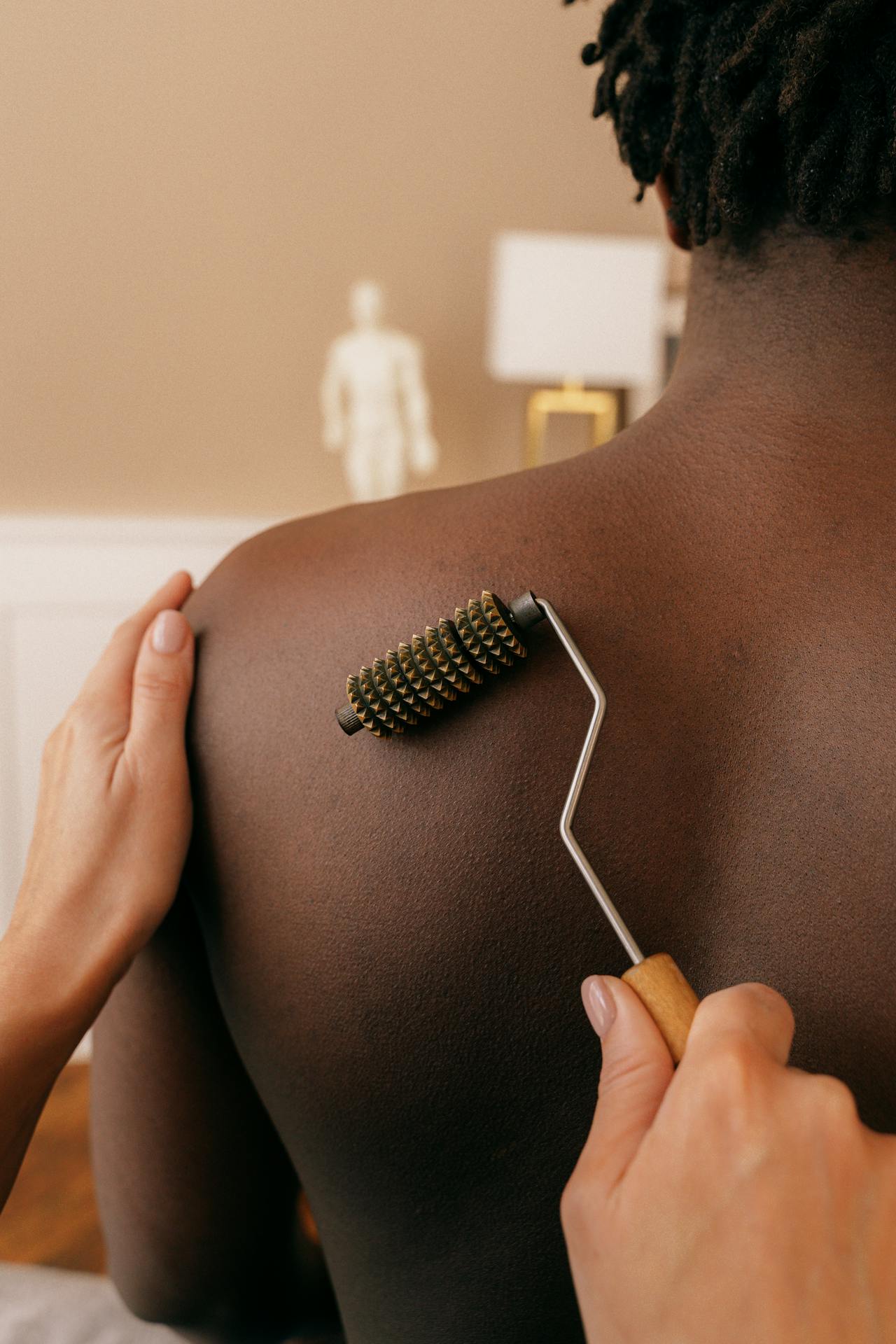
Deep tissue massage is a therapeutic technique that targets the deeper layers of muscle and connective tissue (fascia). Unlike a relaxation-focused Swedish massage, deep tissue work uses slow, firm strokes and sustained pressure to break up adhesions, release chronic muscle knots, and restore range of motion.
Therapists typically use their forearms, elbows, knuckles, and thumbs to apply concentrated pressure. The goal is not to cause pain but to access and release tension that lives beneath the surface muscles.
Deep tissue massage is commonly recommended for people dealing with chronic back pain, neck stiffness, postural imbalances, sports-related soreness, and repetitive strain injuries.
How to Prepare Before Your Appointment
Hydrate Well
Drinking plenty of water in the 24 hours before your massage helps keep your muscle tissue pliable and responsive. Hydrated muscles are easier for the therapist to work with and less likely to feel excessively sore afterward. Aim for at least eight glasses of water throughout the day before your session.
Eat Lightly
Avoid eating a heavy meal within two hours of your appointment. Lying face-down on a full stomach is uncomfortable and can cause nausea. A light snack an hour or so before your session is fine and can actually help maintain your energy levels.
Shower Beforehand
A warm shower before your massage serves two purposes. It is courteous to your therapist, and the warm water helps loosen your muscles slightly, making the deep tissue work more effective from the start.
Wear Comfortable Clothing
You do not need to bring special clothes. Most deep tissue massage is performed with the client undressed to their comfort level and draped with a sheet. However, wearing comfortable, loose-fitting clothing to and from the appointment makes the transition easier. Avoid tight jeans or restrictive garments that might be uncomfortable to put back on after your session.
Avoid Alcohol and Caffeine
Both alcohol and excessive caffeine can dehydrate your body and affect how your muscles respond to pressure. Skip the extra coffee and avoid alcohol for at least 12 hours before your appointment.
What to Communicate to Your Therapist
Communication is the single most important factor in having a great deep tissue massage experience. Before the session begins, your therapist should conduct a brief intake conversation. Here is what to share:
During the session, continue communicating. If the pressure feels too intense, speak up immediately. The phrase "a little less pressure" is one your therapist hears regularly and appreciates. Deep tissue work should feel like productive discomfort, not sharp or unbearable pain.
What to Expect During the Session
A typical deep tissue massage session lasts 60 to 90 minutes. Here is a general overview of what happens:
It is normal to experience some tenderness during the session, especially in areas with significant tension buildup. However, sharp or shooting pain is not normal and should be communicated to your therapist immediately.
Understanding Pain vs. Productive Discomfort
One of the biggest concerns first-timers have is whether deep tissue massage hurts. The honest answer is that it can be intense, but it should never be painful in a way that makes you tense up or hold your breath.
Think of it on a scale of 1 to 10, where 1 is no sensation and 10 is unbearable pain. Your deep tissue work should stay in the 5 to 7 range, which most people describe as "hurts so good." If you find yourself clenching your jaw or gripping the table, the pressure is too much.
A skilled therapist reads your body language constantly, but verbal feedback ensures they can adjust precisely to your needs.
After Your Massage: Recovery Tips
Drink Extra Water
Post-massage hydration is essential. Deep tissue work increases blood flow and can release metabolic waste stored in tight muscles. Drinking water helps your body flush these byproducts and reduces post-massage soreness.
Expect Some Soreness
Mild soreness in the 24 to 48 hours following a deep tissue massage is completely normal, especially after your first session. It often feels similar to the soreness you experience after a challenging workout. This is your body responding to the release of chronic tension.
Use Gentle Heat
If soreness lingers, applying a warm compress or taking a warm Epsom salt bath can help. Avoid ice unless your therapist specifically recommends it, as heat is generally more beneficial for post-massage recovery.
Rest When Possible
Try to schedule your first deep tissue massage on a day when you do not have strenuous physical activities planned afterward. Give your body time to integrate the work.
Avoid Intense Exercise
Skip the heavy gym session for at least 24 hours after your massage. Light stretching or gentle walking is fine and can actually help with any post-session stiffness.
How Often Should You Get Deep Tissue Massage?
For chronic tension or pain management, many therapists recommend starting with sessions every one to two weeks. Once your symptoms improve, you can transition to maintenance sessions every three to four weeks. Athletes or people with physically demanding jobs may benefit from more frequent sessions.
Ultimately, the ideal frequency depends on your body, your goals, and your budget. Your therapist can help you develop a treatment plan that makes sense for your situation.
Final Thoughts
Your first deep tissue massage does not have to be intimidating. With proper preparation, clear communication, and realistic expectations, it can be a transformative experience that leaves you feeling looser, more mobile, and significantly less tense. The key is finding a qualified therapist you trust and being honest about what your body needs.
Explore More Beauty & Wellness Resources
Looking beyond massage therapy? These trusted directories can help you find related services:
Frequently asked questions
How much does a deep tissue massage cost?
Is it normal to be sore after a deep tissue massage?
How often should I get a deep tissue massage?
What is the difference between deep tissue and Swedish massage?
What should I wear to a deep tissue massage?
How much should I tip my massage therapist?
Are there medical conditions that prevent you from getting a deep tissue massage?
Need a provider in Nationwide?
Browse our directory and book directly with local businesses.
Browse the directoryRelated articles

Top 2 Massage & Bodywork Spots in Sarasota, FL You Need to Visit
We researched the top 2 massage & bodywork spots in Sarasota, FL. Here is what makes them worth your time, plus tips to get the most from your visit.

Best Massage in Sarasota, FL — 2026 Guide
Everything you need to know about massage & bodywork in Sarasota, FL — from choosing the right service to finding providers locals actually recommend. Pricing, FAQs, and booking links included.
Top 2 Massage & Bodywork Spots in Fort Myers, FL You Need to Visit
We researched the top 2 massage & bodywork spots in Fort Myers, FL. Here is what makes them worth your time, plus tips to get the most from your visit.