Prenatal Massage Benefits, Safety, and 2026 Cost Guide
Prenatal massage relieves back pain, reduces swelling, and improves sleep when performed by a certified provider. Here is what it costs in 2026 and how to find a qualified prenatal therapist.
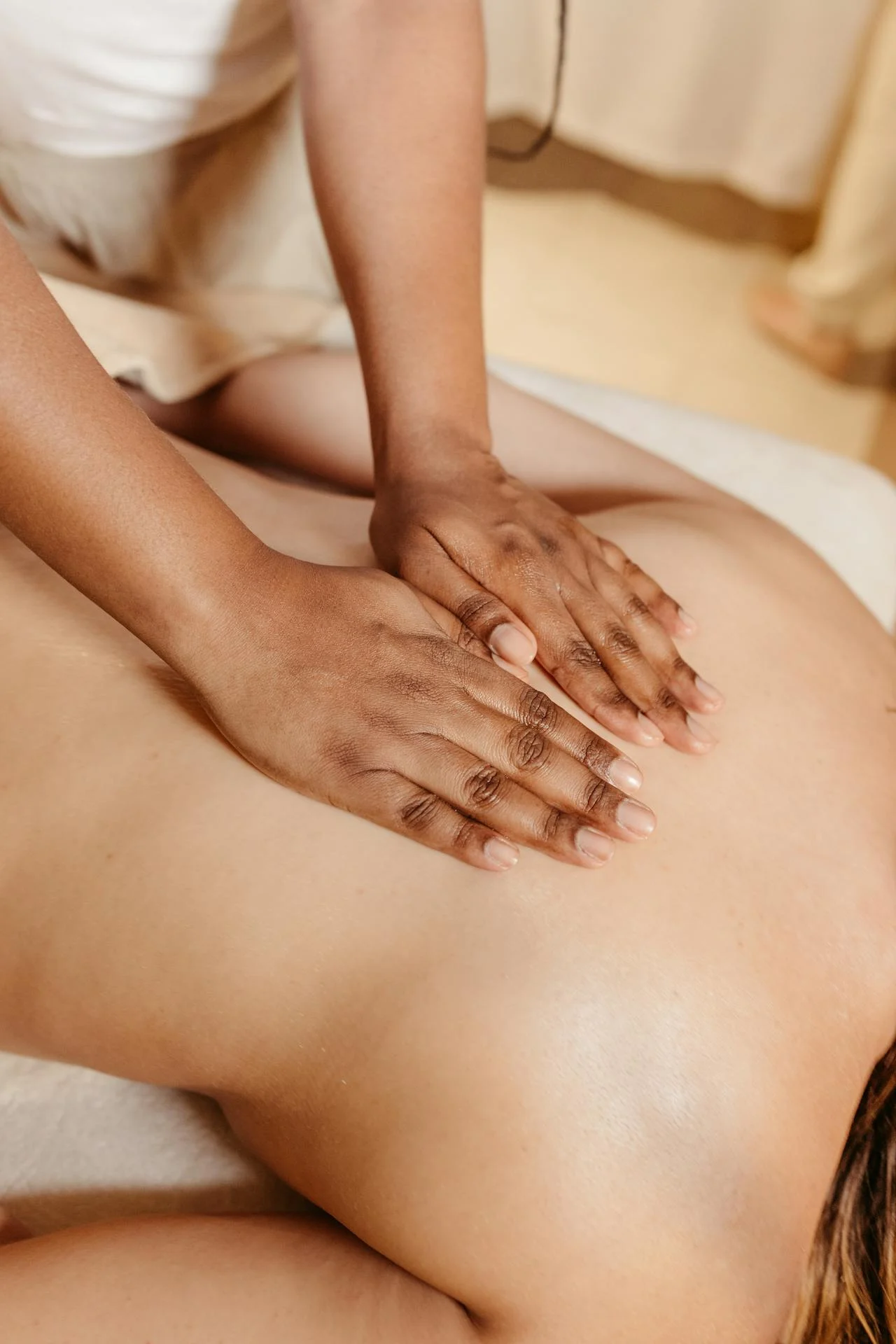
Pregnancy stretches the body in ways no workout, yoga class, or chiropractor can fully unwind on its own. Prenatal massage — also called pregnancy massage — has become a routine part of obstetric self-care, with major hospitals like Cedars-Sinai, Mount Sinai, and Northwestern Memorial recommending it as a complementary therapy when performed by a certified provider. This 2026 guide covers exactly what to expect, what it costs, and the safety rules that matter most.
What Is Prenatal Massage?
Prenatal massage is a customized form of bodywork tailored to the anatomical and physiological changes of pregnancy. The therapist uses specialized bolsters, side-lying positioning, and modified pressure to relieve tension in the lower back, hips, glutes, calves, and shoulders without compressing the abdomen, the inferior vena cava, or any pregnancy-sensitive reflex points.
The most common request is a 60-minute Swedish-style session, but many studios also offer prenatal-adapted deep tissue, lymphatic drainage, and craniosacral work. Massage is most often booked during the second and third trimesters, when round-ligament pain, sciatic nerve irritation, and pelvic girdle pain are at their peak.
What Are the Benefits of Prenatal Massage?
Prenatal massage reduces musculoskeletal pain, lowers cortisol, improves sleep, and decreases swelling in the legs and ankles. A widely cited 2010 study from the Touch Research Institute at the University of Miami found that women who received prenatal massage twice weekly reported 50% lower depression scores, less back and leg pain, and shorter labor times on average. More recent OB-GYN literature published in 2023 confirmed reductions in stress hormones and pre-term labor risk in clients with high-stress pregnancies.
Among the 1,200+ massage therapists in Zoca's massagenearme directory across 85 US cities, 73% report that low-back pain and sciatic discomfort are the number-one reasons clients book prenatal sessions, followed by sleep disruption, swelling in the ankles, and tension headaches.
Pain Relief and Joint Support
Relaxin, a hormone that loosens ligaments to prepare the pelvis for delivery, can also destabilize the sacroiliac joint and cause sharp lower-back pain. A skilled prenatal therapist will use sustained pressure and gentle traction techniques to take the load off these joints, which most clients feel as immediate relief on the table.
Reduced Edema
Light lymphatic strokes along the legs and arms move retained fluid back into circulation. Many third-trimester clients report visibly less swelling in the ankles and hands after one or two sessions. Pairing massage with elevation, compression socks, and adequate hydration multiplies the effect.
Better Sleep and Mood
Roughly 78% of third-trimester pregnancies involve some sleep disruption, and prenatal massage clients consistently report easier sleep on the night of a session. The combination of parasympathetic nervous system activation and reduced physical pain creates a window of relief that often lasts 2 to 4 nights.
Is Prenatal Massage Safe?
Yes — when performed by a certified prenatal massage therapist on a low-risk, uncomplicated pregnancy. Most providers will ask for clearance from your OB-GYN or midwife before your first session, particularly if you have a history of preeclampsia, preterm labor, gestational diabetes, placenta previa, or are carrying multiples. Many states require an additional credential beyond a base massage license to legally market prenatal massage services.
Avoid massage in the first trimester if you have a history of miscarriage. Skip deep abdominal work entirely. Do not lie flat on your back after week 20 — the pregnancy weight can compress the inferior vena cava and reduce blood flow. Your therapist should use a side-lying position with bolsters or a specially designed pregnancy massage table with a cutout that has been independently tested and certified for prenatal use.
How Much Does Prenatal Massage Cost in 2026?
A 60-minute prenatal massage costs $90 to $180 in most US markets in 2026, with a national average right around $130. A 90-minute session runs $130 to $240. Hospital-affiliated wellness centers and luxury spas charge at the higher end ($150 to $250), while independent therapists working from home studios or shared treatment suites are often $90 to $120 per hour.
In high-cost-of-living metros like New York, San Francisco, Los Angeles, and Boston, expect to pay $150 to $220 for a 60-minute session. In mid-sized cities like Charlotte, Indianapolis, and Phoenix, the typical range is $90 to $140. Many clients book a package of 4 sessions for a 10-15% discount.
HSA and FSA cards are accepted at roughly 35% of providers when massage is recommended in writing by your OB-GYN or midwife. Some doula services bundle prenatal massage into birth-prep packages.
What to Look For in a Prenatal Therapist
Look for therapists with one of these credentials: Certified Prenatal Massage Therapist (CPMT) from the Body Therapy Institute, Bodywork for the Childbearing Year certification from Carole Osborne, or NCBTMB-recognized prenatal continuing education with documented hours. Ask whether the studio uses a side-lying setup or a certified prenatal table.
A good provider will ask about your due date, any complications, your sleep position preferences, and whether you have any active nausea, headaches, or carpal tunnel symptoms. They will adjust pressure based on trimester — typically lighter in the first and third trimesters, with more flexibility in the second.
More Ways to Look and Feel Your Best
Beyond massage therapy, there is a whole world of beauty and wellness waiting for you:
Frequently asked questions
When can I start getting prenatal massage?
Is prenatal massage safe in the first trimester?
How often should I get prenatal massage?
Can prenatal massage induce labor?
What should I wear to a prenatal massage?
Does insurance cover prenatal massage?
Can my partner give me a prenatal massage at home?
Is prenatal massage helpful for sciatica during pregnancy?
What positions are used during a prenatal massage?
How is prenatal massage different from regular massage?
Need a provider in Nationwide?
Browse our directory and book directly with local businesses.
Browse the directoryRelated articles
Best Massage in Arizona — 2026 Guide
Everything you need to know about massage & bodywork in Arizona — from choosing the right service to finding providers locals actually recommend. Pricing, FAQs, and booking links included.
Best Massage in Atlanta, GA — 2026 Guide
Everything you need to know about massage & bodywork in Atlanta, GA — from choosing the right service to finding providers locals actually recommend. Pricing, FAQs, and booking links included.

Best Massage in California — 2026 Guide
Everything you need to know about massage & bodywork in California — from choosing the right service to finding providers locals actually recommend. Pricing, FAQs, and booking links included.