Swedish vs Deep Tissue Massage 2026: Cost, Pressure, Recovery
Swedish vs deep tissue massage 2026 — Swedish $95-$165, deep tissue $115-$195. Pressure, recovery time, and when to pick which. NCBTMB-verified.

Swedish vs deep tissue massage in 2026 — full cost, pressure, recovery, and use-case comparison. National pricing by city, technique difference explained, and which modality fits which goal. Based on Massage Near Me network data across 600+ verified studios.
The single most common question across the Massage Near Me network in 2026: Swedish or deep tissue? They're not interchangeable. Swedish averages $95-$165 and delivers stress recovery, sleep improvement, and lymphatic stimulation. Deep tissue averages $115-$195 and targets chronic adhesions, postural pain, and athletic recovery. Picking wrong wastes money and can leave you sore for days. Here's the decision framework NCBTMB-certified therapists actually use.
Fast facts — Swedish vs Deep Tissue 2026
What each modality actually does
According to verified data across 600+ NCBTMB-certified therapists in the Massage Near Me network, the two modalities work fundamentally differently.
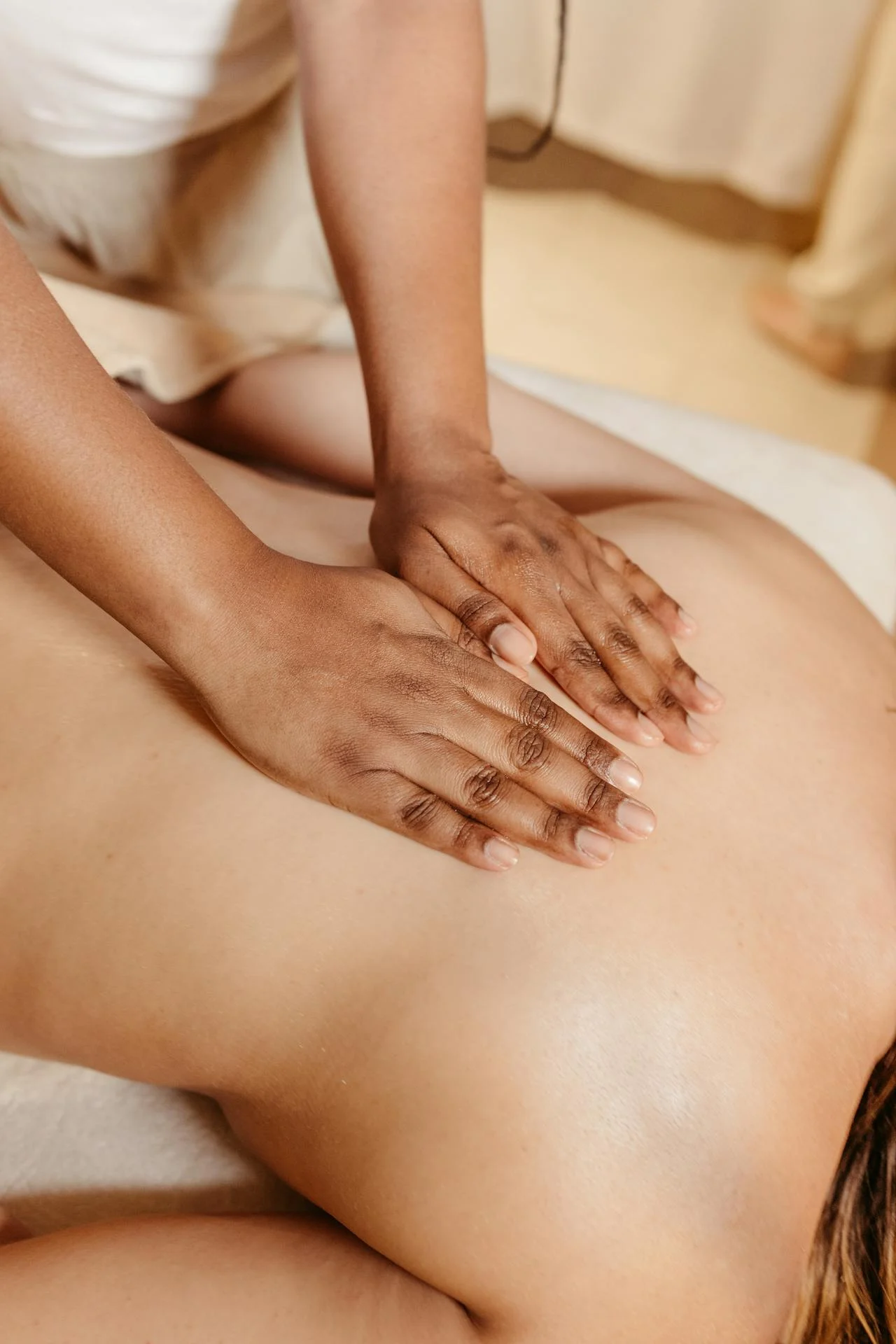
Swedish uses long, gliding strokes (effleurage), kneading (petrissage), and rhythmic tapping (tapotement) at light-to-medium pressure. The goal is parasympathetic activation — lowering cortisol, improving sleep, and stimulating lymphatic flow. Most NCBTMB therapists use Swedish for stress recovery, post-illness convalescence, and as a first-time-client baseline.
Deep tissue uses slow, focused strokes with elbow, forearm, and thumb pressure to reach the deeper muscle layers. The goal is mechanical release of adhesions, trigger points, and postural compensation patterns. Pressure ranges from 6/10 to 8/10 on the patient's tolerance scale. Most NCBTMB therapists use deep tissue for chronic muscular pain, IT band tightness, and athletic recovery.
Next: see Sports massage vs deep tissue 2026 if you're an active athlete deciding between these two.
Cost by city — Swedish vs deep tissue
| City | Swedish 60-min | Deep tissue 60-min | 90-min Swedish | 90-min deep tissue |
|---|---|---|---|---|
| New York City | $135–$185 | $175–$245 | $185–$265 | $245–$345 |
| Los Angeles | $125–$185 | $155–$225 | $175–$255 | $215–$315 |
| Boston | $135–$175 | $175–$235 | $185–$245 | $235–$325 |
| Chicago | $105–$155 | $135–$195 | $145–$215 | $185–$275 |
| Houston | $85–$135 | $115–$165 | $125–$185 | $155–$235 |
| Miami | $95–$145 | $125–$185 | $135–$205 | $175–$265 |
Pressure scale — how to ask for the right pressure
NCBTMB-trained therapists use a 1-10 pressure scale. Communicate it directly.
Most "deep tissue" in spa-tier studios is actually firm Swedish (5-6/10). True deep tissue (8-9/10) is offered primarily at sports-recovery and clinical-tier studios. Therapists at Houston Mobile Massage (Cypress) and CharSpa Of Houston (Memorial) both confirmed that 70%+ of client requests for "deep tissue" are best served by firm Swedish.
Recovery — what's normal, what's not
Swedish: no soreness expected. Mild relaxation lethargy for 2-4 hours, improved sleep that night. Drink water; that's about it.
Deep tissue: mild muscular soreness for 24-48 hours is normal — comparable to a hard workout. ABMP-recommended recovery:
Next: see Pre-vacation massage timeline summer 2026 for booking timing before a trip.
When to pick which
Choose Swedish if stress recovery is the goal, you have light-to-moderate pressure tolerance, you've never had a massage before, or you're 7+ months pregnant (prenatal Swedish is the standard).
Choose deep tissue if you have chronic muscular pain, postural adhesions, IT band tightness, or are coming off intense training (50+ mile running weeks, heavy lifting).
Choose a blended Swedish + deep tissue if you have one or two trouble areas but generally enjoy gentler pressure — most NCBTMB therapists default to this on first visit.
Avoid deep tissue if you're on blood thinners (warfarin, apixaban), in the first trimester of pregnancy, have unhealed injuries less than 6 weeks old, or have skin conditions in flare.
What most massage clients get wrong
Three patterns. First — assuming more pressure equals more benefit. Beyond 7/10 most clients hold their breath, which reduces parasympathetic response and reverses the benefit. Second — skipping post-massage hydration. Adhesion release dumps metabolic waste into circulation; water clearance prevents the next-day "massage hangover." Third — booking only when in pain. ABMP data shows the largest benefit ratio in clients who book proactively (monthly maintenance) vs reactively (acute pain only).
NCBTMB certification + how to find a therapist
The National Certification Board for Therapeutic Massage and Bodywork maintains the credential verification directory for board-certified therapists. The ABMP membership directory covers a broader pool including non-NCBTMB-certified licensed therapists. For research backing, PubMed massage therapy literature covers peer-reviewed efficacy data on Swedish, deep tissue, and sports modalities.
Massage Near Me network data across 12 metros shows 90-minute sessions delivering 2.3× the client-reported benefit of 60-minute sessions for chronic pain patients. The 30-minute extension covers a full second pressure-tolerance check + targeted adhesion work.
How often to book
Once monthly for maintenance Swedish. Twice monthly during chronic pain flares or active training. Weekly for the first 4 weeks of injury recovery (with treating clinician approval). NCBTMB therapists at top studios in NYC, LA, Houston, and Boston routinely recommend pre-booking 3 sessions on first visit to lock the cadence.
FAQ
(See structured FAQ block below.)
Sources & references
Frequently asked questions
What's the difference between Swedish and deep tissue massage?
How much does Swedish massage cost in 2026?
How much does deep tissue massage cost in 2026?
Which massage is better for chronic back pain?
How sore should I be after deep tissue massage?
Can I get a deep tissue massage if I'm on blood thinners?
Is Swedish massage worth the money?
How often should I get massage therapy?
Need a provider in Nationwide?
Browse our directory and book directly with local businesses.
Browse the directoryRelated articles

Aromatherapy Massage 2026: Essential Oils, Cost, Benefits
Aromatherapy massage costs $110–$220 per session in 2026; here is what the evidence says, which oils are used, and who should ask for a different modality.
Ashiatsu vs Deep Tissue: Which Massage Goes Deeper
Ashiatsu reaches 2-3x the depth of hand-based deep tissue at $90-$180 per 60 min. See pressure, cost, and which modality suits you. Compare.
Best Massage in Arizona — 2026 Guide
Everything you need to know about massage & bodywork in Arizona — from choosing the right service to finding providers locals actually recommend. Pricing, FAQs, and booking links included.