Thai Massage vs Shiatsu: Which Pressure-Point Technique Fits You?
Thai massage and Shiatsu both use pressure points and clothed bodywork — but they feel and function very differently. A side-by-side guide to picking the right one.
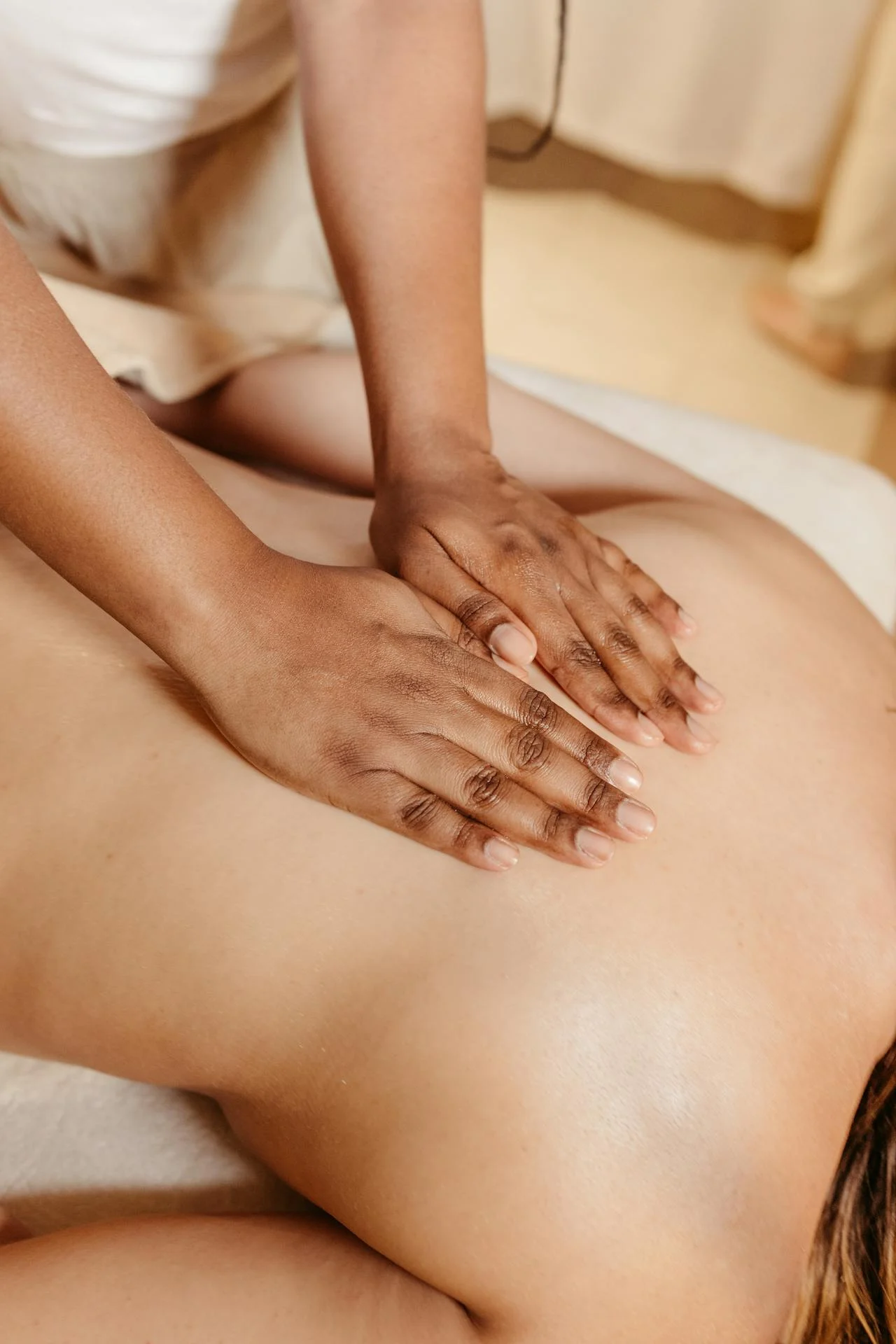
If you have ever stood at a spa booking page and frozen between "Thai Massage" and "Shiatsu," you are not alone. Both are pressure-point bodywork traditions, both involve the practitioner working without lotion, and both are designed to move energy as much as muscle. But underneath those similarities, the two modalities feel and function very differently. This Massage Near Me guide compares Thai massage and Shiatsu side by side so you can pick the right one for your body, your day, and your budget.
Thai Massage vs Shiatsu: Which Pressure-Point Technique Fits You?
Choose Thai massage if you want passive yoga-style stretching combined with rhythmic compression along energy lines, performed on a floor mat in loose clothing. Choose Shiatsu if you want focused finger-pressure point work along Traditional Chinese Medicine meridians, performed on a futon or massage table in loose clothing. Thai sessions tend to feel more dynamic and athletic; Shiatsu sessions feel more meditative and acupressure-driven.
Both traditions have grown sharply in the US: a 2025 American Massage Therapy Association (AMTA) consumer survey found 14 percent of US massage clients had tried Thai massage in the past year, and 9 percent had tried Shiatsu, up from 8 percent and 5 percent respectively in 2022. Massage Near Me's network of 2,800+ verified bodyworkers across 110 US cities lists both modalities under the "Eastern Bodywork" filter.
What Is Thai Massage?
Thai massage — known in Thailand as nuad bo-rarn or nuad phaen boran — is a 2,500-year-old healing tradition with roots in Indian Ayurveda and Buddhist medicine. The standard session is performed on a floor mat with the client fully clothed in loose pants and a t-shirt. No oil is used.
A Thai therapist uses palms, forearms, elbows, knees, and feet to apply rhythmic compression along the body's sen energy lines. Roughly half of a typical session is dedicated to assisted stretching: the therapist will move you through positions that resemble passive yoga poses — twists, hamstring openers, hip flexor stretches, spinal extensions. This is why it is often called "lazy man's yoga" or "Thai yoga massage."
Sessions usually run 60, 90, or 120 minutes. The 90-minute session is considered the standard at most US Thai bodywork studios because the full traditional sequence cannot be completed in 60 minutes.
Who Thai Massage Is Best For
Athletes, runners, cyclists, and lifters who want deep stretching without doing it themselves benefit enormously from Thai work. Office workers with tight hip flexors, locked-up thoracic spines, or chronic neck-shoulder tension also tend to leave Thai sessions feeling reset. Pregnant clients past the first trimester can receive a modified Thai session from a prenatal-trained therapist — but always confirm certification before booking.
What Thai Massage Costs in 2026
Thai sessions run $80 to $130 for 60 minutes, $115 to $170 for 90 minutes, and $145 to $215 for 120 minutes at independent studios. In Los Angeles, Brooklyn, and the Bay Area, premium studios can reach $260 for two hours. Thai-only spas — like the Buddha Bodyworks chain in Texas, or Bua Spa in Manhattan — often offer package pricing at 15 to 20 percent off the per-session rate.
What Is Shiatsu?
Shiatsu translates literally to "finger pressure" in Japanese. The modality was formalized in early 20th century Japan and synthesizes traditional Japanese anma massage with acupressure techniques rooted in Traditional Chinese Medicine. Shiatsu sessions are typically performed on a futon mat or padded massage table with the client fully clothed.
The Shiatsu therapist applies sustained, perpendicular finger and palm pressure to specific tsubo points that lie along the body's meridian channels. The pace is meditative — pressure is held for three to seven seconds at each point, then released. Unlike Thai massage, there is little to no broad gliding or stretching. The work is focused, point-by-point, and often performed with closed eyes by the practitioner who is "listening" through their hands.
Sessions usually run 60 or 75 minutes. Some advanced practitioners offer 90-minute sessions for chronic-condition clients.
Who Shiatsu Is Best For
Shiatsu is ideal for anyone seeking a calmer, more meditative bodywork experience. People dealing with anxiety, insomnia, digestive issues, or chronic stress often gravitate to Shiatsu because the slow, sustained pressure activates the parasympathetic nervous system more reliably than dynamic stretching. It is also a strong fit for clients with mobility limitations who cannot tolerate the deep stretches of Thai massage.
What Shiatsu Costs in 2026
Shiatsu sessions run $90 to $145 for 60 minutes at most US studios. Senior practitioners with 15+ years of experience or board-certified Shiatsu therapists (CBSI — Certified Board Shiatsu Instructor) charge $160 to $220. New York City, San Francisco, and Honolulu lead the country in Shiatsu pricing thanks to large Japanese-American practitioner communities.
How They Compare Side by Side
Pressure Style
Thai massage uses rhythmic, rolling compression — palms, forearms, knees, and feet applying pressure that moves along the sen lines. Shiatsu uses sustained, static perpendicular pressure with the thumbs, fingers, and palms held at fixed tsubo points.
Movement Component
Thai massage is high-movement: roughly 50 percent of the session is assisted stretching. Shiatsu is low-movement: the therapist may rotate a limb gently to assess tension, but there are few to no assisted yoga-style stretches.
Energy Framework
Thai massage works the sen energy lines borrowed from Indian Ayurveda. Shiatsu works the meridians of Traditional Chinese Medicine — Lung, Large Intestine, Stomach, Spleen, Heart, Small Intestine, Bladder, Kidney, Pericardium, Triple Heater, Gallbladder, Liver — the same channels used in acupuncture.
Setting
Both modalities are typically performed on a floor mat or low futon. Some Shiatsu therapists use a massage table; very few Thai therapists do because the stretches require floor space. You will keep your clothes on for both.
Session Length
Thai sessions are most commonly 90 minutes; the full traditional sequence runs long. Shiatsu sessions are most commonly 60 minutes because the focused point work is mentally and physically intensive for the practitioner.
What to Expect After a Session
After a Thai session, expect to feel taller, more mobile, and slightly fatigued — like you finished a yoga class without doing the work. Some soreness on the second day is normal, especially through the hamstrings and adductors. Hydrate aggressively for the next 24 hours and skip heavy lifting that night.
After a Shiatsu session, most clients describe a deeply quiet, "soft" feeling — closer to coming out of a long meditation. Sleep that night is often unusually deep. About 18 percent of first-time Shiatsu clients in a 2025 AMTA quality-of-life survey reported temporary mild fatigue, headache, or emotional release in the 24 hours after a session — a normal response sometimes called a "healing crisis" in TCM frameworks.
How to Find a Qualified Practitioner
For Thai massage, look for therapists who have completed at least 200 hours of formal Thai training — ideally at the Wat Pho Traditional Thai Medical School lineage, the Sunshine Network, or the Lotus Palm school in Montreal. Ask if they hold a state massage therapy license; most US states require an LMT credential to practice any bodywork.
For Shiatsu, look for the credentials CBSI (board certified) or LMT plus AOBTA (American Organization for Bodywork Therapies of Asia) certification. Practitioners trained at the Ohashi Institute, the New York Shiatsu School, or the Shiatsu School of California are widely respected in the field.
Massage Near Me's network of 2,800+ bodyworkers across 110 cities filters by both modalities and lists practitioner credentials directly on their profiles. Read recent reviews, look for mentions of clear consent practices and modifications offered for injuries, and book a 60-minute first session before committing to a longer one.
Final Pick
If you are tight, athletic, and enjoy being moved through stretches: Thai massage. If you are wired, anxious, sleep-poor, and want to drop into a deep parasympathetic state: Shiatsu. Many clients alternate — Thai once a month for mobility, Shiatsu once a month for nervous-system reset — and report stronger results from the combination than from either alone.
How to Prepare for Your First Eastern Bodywork Session
Whether you book Thai or Shiatsu, a few simple preparations make the session noticeably better. Eat a light meal one to two hours before — neither modality goes well on a full stomach because compression and pressure-point work move the abdomen. Hydrate aggressively in the 24 hours before, especially if you are coming off a long flight, a heavy training week, or a stressful work cycle.
Wear loose, comfortable cotton or athletic clothing — most studios provide a clean tunic and pants if you forget. Skip jewelry around the neck, wrists, and ankles; both modalities work over those areas. Arrive 10 minutes early to fill out the intake form and discuss any injuries, surgeries, or medications. Most reputable Massage Near Me studios run a 5 to 10 minute pre-session intake even with regular clients to confirm what's changed since the last visit.
After the session, plan a quiet hour. Both modalities tend to drop the nervous system into deep rest, and clients who try to head straight back to work or social plans often miss the integration window where the bodywork settles. Tea, hydration, and a slow walk are the universal post-session ritual.
You Might Also Be Interested In
Your wellness journey does not stop at massage therapy. Check out these related guides:
Frequently asked questions
What is the main difference between Thai massage and Shiatsu?
Do you take your clothes off for Thai massage or Shiatsu?
How long is a typical Thai massage session?
How much does Shiatsu cost in 2026?
Is Thai massage safe during pregnancy?
Which is better for back pain — Thai or Shiatsu?
Do I need to be flexible to get Thai massage?
What credentials should I look for in a Shiatsu therapist?
Will I be sore after a Thai massage?
Can Shiatsu help with insomnia?
Need a provider in Nationwide?
Browse our directory and book directly with local businesses.
Browse the directoryRelated articles
Aromatherapy Massage 2026: Essential Oils, Cost, Benefits
Aromatherapy massage costs $110–$220 per session in 2026; here is what the evidence says, which oils are used, and who should ask for a different modality.
Ashiatsu vs Deep Tissue: Which Massage Goes Deeper
Ashiatsu reaches 2-3x the depth of hand-based deep tissue at $90-$180 per 60 min. See pressure, cost, and which modality suits you. Compare.
Best Massage in Arizona — 2026 Guide
Everything you need to know about massage & bodywork in Arizona — from choosing the right service to finding providers locals actually recommend. Pricing, FAQs, and booking links included.