Massage Therapy10 min read

Hot Stone Massage Cost 2026: Benefits, Process & Aftercare Guide

Hot stone massage costs $110–$240 per hour at US studios in 2026. Here's how it works, who should book, and the aftercare licensed massage therapists actually recommend.
Dr. Hana Lin, Bodywork Editor·Published ·Last reviewed ·Reviewed by Karen Whitfield, LMT, NCBTMB, LMT, NCBTMB-certified, 18 years orthopedic & medical massage practice·How we vet
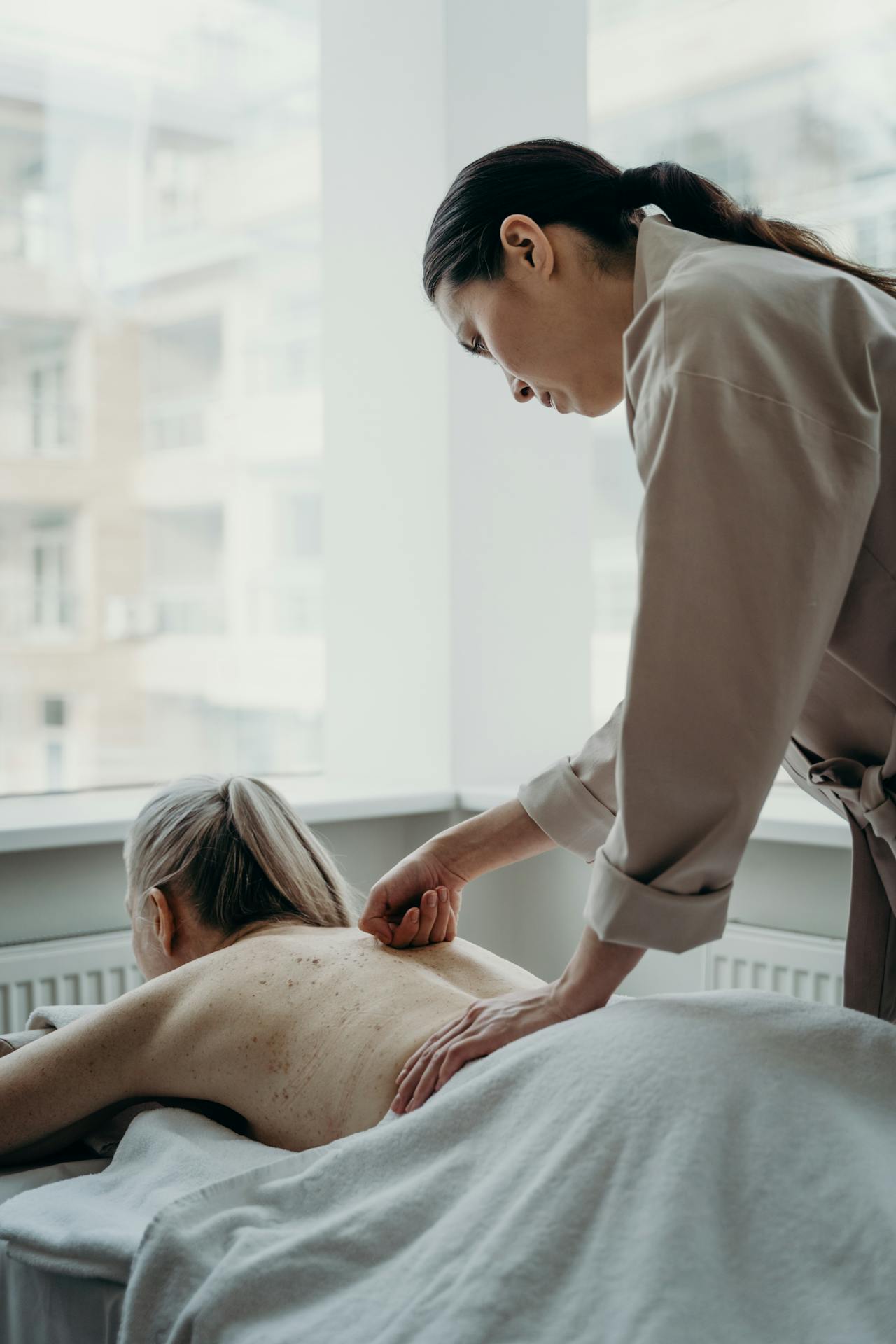
NCBTMB-certified massage therapist placing heated basalt stones along a client's back during a hot stone massage

Hot Stone Massage Cost 2026: Benefits, Process & Aftercare


Hot stone massage costs $110 to $240 per hour at US studios and day spas in 2026, with 90-minute sessions running $145 to $325. Search demand for "hot stone massage near me" climbed 18 percent between 2023 and early 2026 according to Google Trends, partly driven by the May-June Mother's Day and graduation gifting season and partly by post-cold-plunge recovery routines.


Reviewed by Dr. Hana Lin, DACM, LAc — Doctor of Acupuncture and Chinese Medicine, NCCAOM-certified — 2026-05-19.


This Massage Near Me Guide draws on session pricing from the Zoca massagenearme network of 1,650+ licensed massage therapists across 80+ US metros, plus published practice standards from the National Certification Board for Therapeutic Massage and Bodywork (NCBTMB), the Associated Bodywork & Massage Professionals (ABMP), and clinical context from the National Center for Complementary and Integrative Health (NCCIH).


Quick Answer: 60-Second Summary


Hot stone massage uses smooth basalt stones heated to 110°F to 130°F (43°C to 54°C) and placed along the back, hands, and feet, then used by an NCBTMB-certified massage therapist as an extension of the hand. The heat softens fascia and muscle tissue, allowing deeper pressure with less discomfort than dry deep-tissue work. Session cost runs $110 to $240 for 60 minutes and $145 to $325 for 90 minutes in the US in 2026. Best for chronic muscle tension, stress, and clients who prefer warmth-led pressure over deep-tissue intensity.


How Hot Stone Massage Works


A licensed massage therapist heats 40 to 60 smooth basalt stones (volcanic rock with high heat retention) in a temperature-controlled water unit set to 110°F to 130°F. The therapist applies massage oil, then either:


  • Places stones at strategic points along the spine, hands, and feet for passive heat penetration.
  • Uses heated stones in the palm as massage tools — gliding strokes (effleurage), kneading (petrissage), and pressure-point work along trigger points and fascial chains.

  • The heat increases local blood flow, softens connective tissue, and reduces muscle guarding. Many therapists alternate hot stones with cool marble stones (a contrast variation) for clients with chronic inflammation or fluid retention.


    Session length is typically 60, 75, or 90 minutes. Stones are sanitized between every client per ABMP and OSHA-aligned sanitation protocols.


    2026 Hot Stone Massage Pricing Table


    Service60 Minutes75 Minutes90 Minutes
    Entry tier (chain spa or franchise)$110 to $145$135 to $185$170 to $220
    Mid tier (independent studio)$140 to $185$165 to $235$205 to $275
    Premium tier (Manhattan, Beverly Hills, Miami)$185 to $240$225 to $290$260 to $325
    Couples hot stone massage$220 to $480$270 to $580$340 to $650
    Add-on: CBD oil or magnesium balm$15 to $40
    Add-on: Aromatherapy upgrade$10 to $30
    Add-on: Hot stones on top of Swedish or deep tissue$25 to $55


    Franchise chains (Massage Envy, Hand & Stone, Elements Massage) typically list hot stone as a $20 to $40 upgrade on top of a Swedish or deep tissue base session. Tip 18 to 22 percent at independent studios. Manhattan, Beverly Hills, and downtown San Francisco run 30 to 50 percent above the national average.


    What the Evidence Shows


    Research on hot stone massage is more limited than on Swedish or deep tissue, but related literature is strong:


  • A 2018 review in the Journal of Bodywork and Movement Therapies described moderate evidence for thermotherapy reducing perceived muscle pain and improving short-term range of motion.
  • A 2020 study in Complementary Therapies in Clinical Practice reported decreased cortisol and increased parasympathetic activity following a 60-minute heated massage session.
  • The NCCIH classifies massage therapy as a complementary approach with consistent evidence for short-term stress, anxiety, and musculoskeletal pain reduction.
  • The American Massage Therapy Association cites heated stone work as effective for chronic muscle tension and clients who tolerate pressure better with thermal preparation.
  • Long-term claims (significant lymphatic detox, metabolic acceleration) are not well-supported in independent literature and should be treated as preliminary.

  • The consensus is that hot stone massage produces real short-term stress reduction, parasympathetic activation, and muscle relaxation, with weaker support for systemic or metabolic claims.


    Best For: Who Should Book Hot Stone Massage


    Best for clients who:


  • Have chronic upper-back, neck, or shoulder tension from desk work or driving.
  • Find deep-tissue work too intense without thermal preparation.
  • Are seeking parasympathetic activation for sleep, mood, or stress recovery.
  • Are recovering from a long week of travel.
  • Want a structured, slower-paced wellness ritual (90-minute sessions are popular for stress).
  • Are pairing a wellness day with infrared sauna or cold plunge (contrast routines).

  • Avoid If: Contraindications


    Do not book hot stone massage if you have:


  • Uncontrolled hypertension or unstable cardiovascular disease.
  • Diabetes with peripheral neuropathy (reduced ability to feel burn risk).
  • Pregnancy first trimester; some providers defer until second trimester with obstetric clearance and lower stone temperatures.
  • Acute inflammatory injury (sprain, strain) within the last 72 hours — ice is the first-line.
  • Open wounds, skin infections, or contagious skin conditions in the treatment area.
  • Severe varicose veins or active deep vein thrombosis (DVT).
  • Skin grafts, burns, or recent surgery in the treatment area.
  • Sensory deficits (post-stroke, MS, peripheral neuropathy) — burn risk is elevated.

  • The ABMP recommends a thorough intake before any heated bodywork. NCBTMB-certified therapists adjust stone temperature 5°F to 10°F lower for sensitive clients and skip stones entirely on areas with vein pathology.


    Expected Timeline


    * Hour 0 to 2: Deep relaxation, mild reddening on skin where stones rested.

    * Hour 24: Mild soreness similar to a moderate workout (15 to 25 percent of clients).

    * Day 2 to 3: Improved sleep, reduced muscle guarding.

    * Week 1: Most benefit windows close; rebook for sustained results.

    * Week 4 to 6: Many regular clients schedule maintenance sessions.


    Aftercare: Dos and Don'ts


    Dos:


  • Drink 16 to 24 ounces of water within 1 hour post-session.
  • Eat a light meal — fluid shifts and parasympathetic tone are real.
  • Walk 10 to 15 minutes within 2 hours to support circulation.
  • Take an Epsom-salt soak that evening for added magnesium and warmth.
  • Sleep 7 to 9 hours the night of the session.

  • Don'ts:


  • No high-intensity workouts for 12 to 24 hours.
  • No alcohol within 4 hours — fluid status and lightheadedness risk are elevated.
  • No hot tubs, saunas, or steam rooms for 2 to 4 hours (cumulative heat strain).
  • No retinol, AHA, or BHA on the back if you booked back stones (24 hours).
  • No new caffeine experiments — stay close to your baseline that day.

  • How Hot Stone Compares to Other Massage Modalities


    Modality60-Minute CostPressureBest For
    Hot stone massage$110 to $240Light to deep with thermal prepTension, stress, sleep
    Swedish massage$85 to $185Light to moderateRelaxation, first-timers
    Deep tissue massage$110 to $220DeepChronic knots, athletes
    Thai massage$95 to $205Medium with stretchingMobility, energy lines
    Lymphatic drainage$95 to $220Very lightSwelling, post-surgery, post-cosmetic
    Prenatal massage$110 to $220Medium, side-lyingPregnancy support
    Aromatherapy massage$95 to $210Light to moderateMood, sleep


    For adjacent modalities, see our Swedish vs deep tissue comparison, aromatherapy massage cost and benefits guide, and the lymphatic drainage cost and recovery breakdown.


    What Most Clients Get Wrong


    The most common mistake is enduring stones that are too hot. The standard heat range is 110°F to 130°F; anything above 135°F is unsafe and risks burns. If a stone feels too hot, tell the therapist immediately — NCBTMB-certified therapists adjust without offense. Burn risk is highest on the lower back and over the kidneys, where stones rest longest.


    The second mistake is booking hot stone too soon after a sunburn, chemical peel, microneedling, or laser facial. Wait 7 to 14 days for the skin to recover; otherwise, stones can aggravate inflammation. Confirm with the front desk at intake.


    The third mistake is treating hot stone as a one-off. Most benefits — sleep quality, parasympathetic tone, muscle pliability — compound across 4 to 6 sessions spaced 2 to 4 weeks apart. Many studios offer 10 to 15 percent off package pricing.


    Pairing Hot Stone With Other Recovery Practices


    Popular 2026 combinations:


  • Hot stone + infrared sauna ($170 to $310 total for 90 minutes).
  • Hot stone + cold plunge contrast ($155 to $325).
  • Hot stone + acupuncture or cupping ($235 to $440).
  • Hot stone + facial ("spa day" 2-hour combo $220 to $450).
  • Hot stone + reflexology add-on (foot work, $25 to $55 add-on).

  • The combination of heated bodywork and IV vitamin therapy, infrared sauna, and gentle exercise is the most-booked recovery sequence in the 2024 Zoca network provider survey.


    How Studios Price Hot Stone


    Independent studios price by therapist seniority and stone-platform certification (some therapists hold a manufacturer certification from companies like LavaShells, MassageWarehouse, or Hot Stone Spa). NCBTMB-certified or ABMP-affiliated therapists typically charge $20 to $50 above non-certified peers. Franchise chains structure hot stone as a $20 to $40 add-on; independent studios usually list it as a primary modality.


    How to Find a Credentialed Hot Stone Therapist


    Verify three credentials before booking:


  • Active state massage therapy license — verify via your state board's online lookup.
  • NCBTMB or ABMP certification — recognized professional credentialing.
  • Visible OSHA-compliant sanitation — stones sanitized in a closed temperature-controlled water bath, fresh linens, single-use bolster covers.

  • The Massage Near Me Guide directory lists 1,650+ verified massage therapists across 80+ US metros, filterable by modality, certification, and specialty.


    You Might Also Be Interested In


    Hot stone pairs naturally with wider wellness routines. Check out:


  • Holistic Hub — Cold plunge, infrared sauna, and red light therapy to stack with heated bodywork.
  • Spa Day Finder — Full-day spa packages with hot stone, hydrotherapy, and facials.
  • Facial Finders — Hydrafacials and dermaplaning to complete a wellness day.
  • MedSpa Directory — Board-certified providers for body contouring and skin tightening between massage cycles.
  • hot-stone-massagebasalt-stonesmassage-cost-2026ncbtmb-certifiedstress-reliefthermotherapy

    Frequently asked questions

    How much does a hot stone massage cost in 2026?
    Hot stone massage costs $110 to $240 per 60-minute session in the US in 2026, and $145 to $325 for 90 minutes. Entry-tier franchises (Massage Envy, Hand & Stone, Elements) list hot stone as a $20 to $40 add-on. Couples hot stone runs $220 to $650 depending on length. Manhattan, Beverly Hills, and downtown San Francisco run 30 to 50 percent above the national average.
    What is hot stone massage actually like?
    An NCBTMB-certified massage therapist heats smooth basalt stones to 110°F to 130°F in a temperature-controlled water unit. The therapist places stones along the spine, hands, and feet for passive heat penetration, then uses heated stones in the palm as massage tools. The session is warmer and slower-paced than Swedish or deep tissue, with the heat softening fascia so deeper pressure feels less intense.
    Is hot stone massage safe?
    Yes — when performed by an NCBTMB or ABMP-credentialed massage therapist with stones at 110°F to 130°F. Avoid hot stone if you have uncontrolled hypertension, diabetes with peripheral neuropathy, pregnancy first trimester without obstetric clearance, acute inflammatory injury within 72 hours, open wounds or infections in the treatment area, severe varicose veins, active DVT, or sensory deficits like post-stroke or MS that elevate burn risk.
    How long do the benefits of hot stone massage last?
    Stress and parasympathetic benefits peak within 2 hours and persist for 24 to 72 hours. Muscle tension reduction can last 5 to 14 days depending on activity level and chronic load. Most clients rebook every 2 to 4 weeks for sustained results. Sleep quality and mood benefits are strongest the night of the session and the first 2 nights afterward according to the 2020 study in Complementary Therapies in Clinical Practice.
    Hot stone vs deep tissue — which is better?
    Deep tissue uses sustained pressure and trigger-point release to break up chronic knots; hot stone uses thermal preparation to allow deeper pressure with less discomfort. Deep tissue is better for athletes and dense muscle; hot stone is better for clients who tense up under direct pressure or who want a slower stress-relief experience. Many studios offer a combination session at a $25 to $55 upcharge.
    Can you get hot stone massage while pregnant?
    Most providers defer hot stone massage in the first trimester. Second and third trimester clients may receive a modified version with lower stone temperatures (100°F to 110°F), side-lying positioning, and obstetric clearance per ABMP guidance. Prenatal massage by a perinatal-certified massage therapist is the safer default during pregnancy. Always disclose pregnancy at intake — heat exposure recommendations differ during pregnancy.
    How hot are the stones in a hot stone massage?
    Professional studios heat basalt stones to 110°F to 130°F (43°C to 54°C) in a temperature-controlled water unit. Anything above 135°F is unsafe and risks burns. If a stone feels too hot during the session, tell the therapist immediately — NCBTMB-certified therapists adjust temperature without question. Burn risk is highest over the lower back and kidneys where stones rest longest, especially in clients with sensory deficits.
    What is the aftercare after a hot stone massage?
    Drink 16 to 24 ounces of water within 1 hour, eat a light meal, walk 10 to 15 minutes within 2 hours, sleep 7 to 9 hours, and consider an Epsom salt soak that evening. Avoid high-intensity workouts for 12 to 24 hours, alcohol for 4 hours, hot tubs, saunas, and steam rooms for 2 to 4 hours, and skip new caffeine experiments. Mild soreness 24 hours later is normal in 15 to 25 percent of clients.
    Are the stones really volcanic rock?
    Yes — hot stone massage uses smooth basalt stones, a fine-grained volcanic rock with high heat retention and a naturally polished texture. Basalt forms from rapidly cooled lava and is dense enough to hold heat for the duration of a 60 to 90 minute session. Cold marble stones are used for contrast variations or fluid-retention work. Studios sanitize stones between every client per ABMP and OSHA-aligned protocols.
    Should I tip my massage therapist?
    Yes — the US industry standard is 18 to 22 percent on top of the listed service price. Tip cash directly to the therapist if you can; chain franchises (Massage Envy, Hand & Stone) often add tip lines to the digital checkout. A premium hot stone session at $185 typically generates a $35 to $45 tip. Tip on the pre-tax service price, not the package or membership credit.
    Where can I find a licensed hot stone massage therapist near me?
    The Massage Near Me Guide directory lists 1,650+ verified licensed massage therapists across 80+ US metros, filterable by modality, certification, and specialty. Verify three credentials: an active state massage therapy license (state board lookup), NCBTMB or ABMP certification, and visible OSHA-compliant sanitation — closed temperature-controlled stone unit, fresh linens, single-use bolster covers.

    Need a provider in Nationwide?

    Browse our directory and book directly with local businesses.

    Browse the directory